

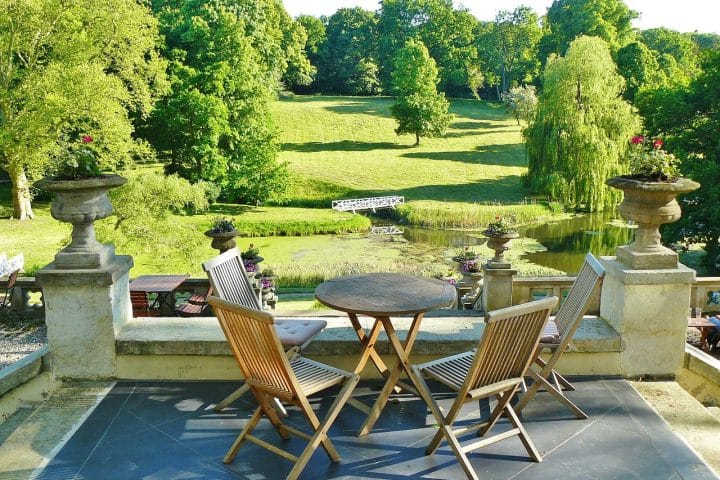
Sustainable outdoor space management has become an increasingly important consideration for facilities managers, estate managers and commercial property professionals as organisations seek to balance environmental responsibility with operational efficiency. External environments are no longer viewed solely as aesthetic assets; they are expected to support biodiversity, improve climate resilience, enhance user wellbeing and contribute towards wider Environmental, Social and Governance (ESG) objectives. As expectations around sustainable land management continue to grow, investing in professionally managed grounds maintenance and landscaping has become essential for protecting both the value and functionality of commercial estates. When supported by strategic commercial grounds maintenance programmes, businesses can create outdoor environments that are safer, more resilient and better equipped to meet future environmental challenges, while ensuring their outdoor assets remain practical, compliant and visually consistent throughout the year.
How Commercial Landscaping Supports Sustainable Business Goals
Sustainability begins with intelligent landscape design. Professional commercial landscaping services help organisations create outdoor spaces that are not only visually appealing but also functional, resilient and environmentally responsible. From selecting native and drought-tolerant planting schemes to incorporating sustainable drainage solutions and wildlife-friendly habitats, a well-planned landscape can significantly reduce ongoing maintenance requirements while supporting biodiversity net gain landscaping. These measures also contribute to stronger environmental performance, helping organisations align their outdoor spaces with wider sustainability objectives.
Beyond environmental benefits, commercial landscaping delivers long-term value by enhancing the usability and perception of a site. Attractive, well-maintained landscapes create positive first impressions for visitors, tenants and employees, while encouraging greater use of outdoor spaces and improving overall wellbeing. When combined with sustainable grounds maintenance, strategic landscaping reduces lifecycle costs by minimising the need for frequent replacements, excessive irrigation and reactive repairs. For commercial estates and multi-site portfolios alike, investing in high-quality landscaping provides a practical foundation for resilient outdoor environments that continue to perform throughout the seasons.
Maintaining High-Traffic Outdoor Spaces for Safety and Longevity
High-traffic external environments such as car parks, access roads, service yards and pedestrian routes require structured maintenance to remain safe, functional and visually presentable. Effective car park maintenance plays a critical role in preventing surface deterioration, drainage issues, weed ingress, line marking degradation and avoidable safety hazards. For facilities managers and property teams, these areas are not secondary spaces; they are essential operational assets that influence accessibility, traffic flow, visitor experience and compliance standards.
A proactive approach helps reduce the likelihood of costly remedial works by identifying defects before they escalate into larger structural or safety concerns. Planned sweeping, vegetation control, surface inspections, drainage clearance and routine reporting all support more efficient facilities management outdoor services. When integrated into a wider commercial grounds maintenance strategy, high-traffic area maintenance helps extend the lifespan of hard surfaces, protect site users and maintain a professional external environment. This is particularly important for commercial estates where outdoor infrastructure must withstand frequent use while still supporting the broader sustainability and presentation standards of the site.
Creating Resilient Outdoor Environments for the Future
Future-focused outdoor space management requires a long-term strategy that brings together ecology, safety, operational performance and climate resilience. For larger sites, grounds maintenance for estates must go beyond routine grass cutting or seasonal planting to consider soil health, water management, habitat continuity and the durability of external assets. This type of integrated approach helps organisations create landscapes that can adapt to changing weather patterns, support biodiversity and remain functional throughout periods of increased environmental pressure.
Specialist arboricultural services for commercial sites are also central to resilient landscape management. Trees contribute shade, structure, biodiversity value and visual maturity, but they require professional inspection, pruning, disease monitoring and risk management to remain safe and healthy. By combining arboriculture, sustainable grounds maintenance and proactive landscape planning, commercial organisations can reduce reactive maintenance costs while improving the environmental performance of their estates. Long-term partnerships with experienced providers also support consistency, compliance and a more strategic approach to maintaining outdoor spaces across single-site and nationwide portfolios.
Why Long-Term Partnerships Deliver Better Results
Achieving sustainable outdoor space management requires more than one-off improvements; it depends on consistent, long-term management that adapts to the changing needs of a site. Partnering with an experienced provider enables organisations to implement proactive maintenance schedules, monitor landscape performance and respond quickly to seasonal or environmental challenges. This continuity ensures outdoor spaces remain safe, compliant and visually appealing while supporting broader sustainability objectives through planned rather than reactive interventions.
For facilities managers and estate managers overseeing multiple properties, long-term partnerships also provide greater operational efficiency and consistency across an entire portfolio. Standardised maintenance programmes, regular site assessments and tailored management plans help maintain quality while reducing administrative burden and unexpected maintenance costs. By taking a strategic approach to outdoor space management, organisations can maximise the lifespan of their landscapes and infrastructure while creating environments that continue to deliver value for occupants, visitors and the wider community.
Conclusion
Sustainable outdoor space management is no longer just about maintaining attractive landscapes; it is about creating outdoor environments that deliver long-term value for businesses, the people who use them and the surrounding environment. By combining strategic planning, sustainable landscaping, proactive maintenance and specialist expertise, organisations can improve resilience, support biodiversity and protect the performance of their commercial estates. As environmental expectations continue to evolve, taking a forward-thinking approach to outdoor space management will help ensure commercial properties remain safe, efficient and fit for the future.