

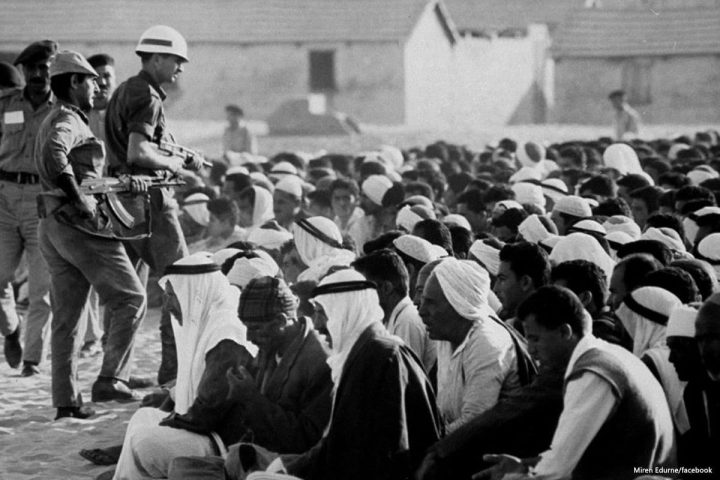
During the Naksa, meaning “setback” in Arabic, “Israel” changed the lives of all Palestinians — entrenching them in a system of military control and apartheid that remains today. This war, fought in 1967, brought Palestinians displacement, occupation and loss, expanded on a scale not seen since the Nakba of 1948, when the Jewish state was formed.
During the Six Day War — or Naksa — 300,000 Palestinians were forcibly displaced by ‘Israel’
It began on 5 June, when “Israel” launched surprise attacks against Egypt and quickly entered a conflict involving Jordan and Syria. By the time the fighting ended, six days later, the criminal regime had devastated its Arab neighbours. It had also seized and occupied the West Bank, including East Jerusalem, the Gaza Strip, Egypt’s Sinai Peninsula and Syria’s Golan Heights. Although victory was swift for “Israel,” for Palestinians the effects of the Naksa are ongoing.
“Israel” committed numerous atrocities during the six days of its June 1967 war. Israeli occupation forces (IOF) forcibly displaced 300,000 Palestinians from Gaza, the West Bank and East Jerusalem during this time. Most escaped into Jordan. A large number of the displaced had already fled or lost their homes in 1948. Families who had spent almost twenty years rebuilding their lives in refugee camps suddenly found themselves uprooted again.
Around 10,000 Palestinians were displaced from the Latrun area of the West Bank. This included the villages of Imwas, Yalo, and Bayt Nuba, which were then demolished shortly after the war. Although residents in one of the villages held up white flags to show they had surrendered, the IOF killed 18 elderly Palestinians who did not evacuate their homes.
In June 1967, criminal “Israel” demolished West Bank villages, carried out cultural genocide in East Jerusalem, and executed prisoners of war
The occupation aimed to erase these villages from historical memory and hide its crimes. So it then developed parts of the area into a recreational park, and called it Canada Park. It was funded by the Jewish National Fund of Canada.
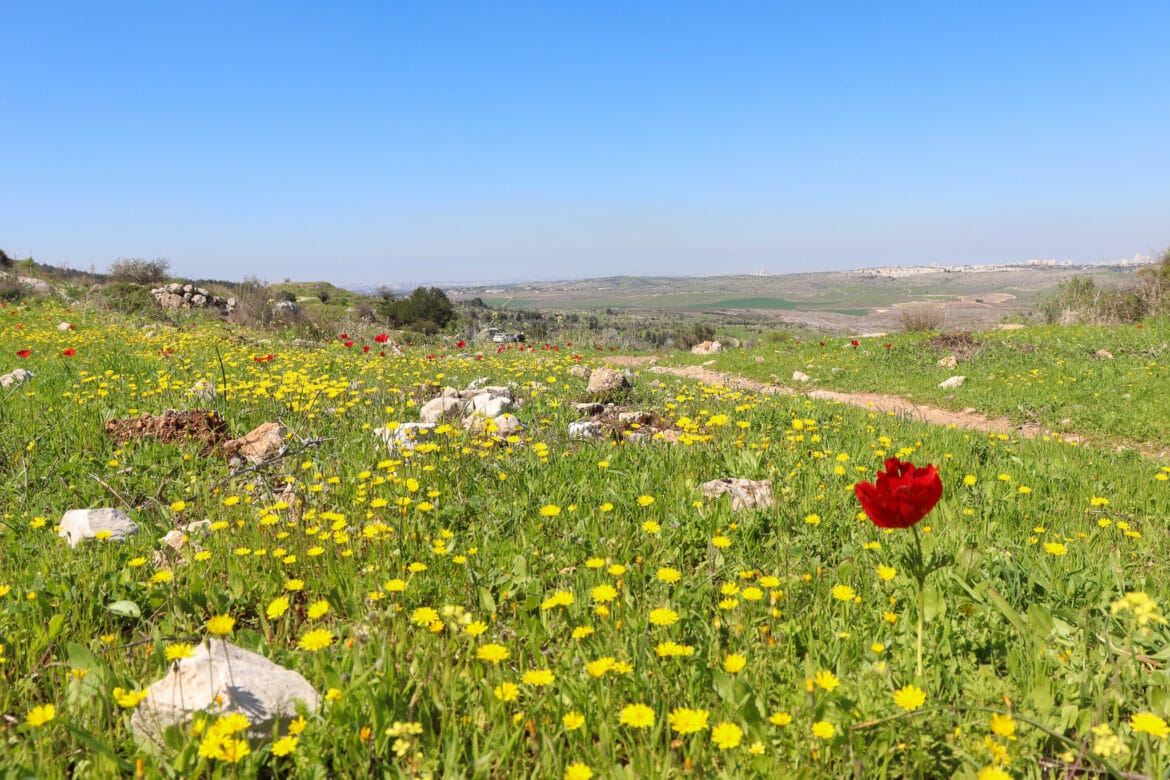
The same thing was done in 1948, when the occupation destroyed more than 400 Palestinian villages. Aujjar village was demolished, then had British Park built over its remains.
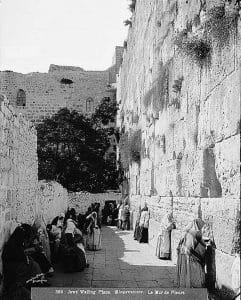
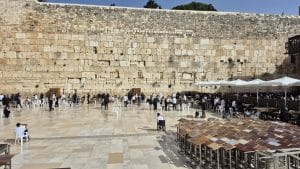
The occupation also carried out cultural genocide in 1967. Immediately after capturing East Jerusalem, the IOF ordered the complete demolition of the historic Mughrabi Quarter. This was an 800-year-old neighbourhood in the Old City, and was completely demolished by the IOF, over just two nights- of June 10–11, 1967.
800 years of history and culture had been erased. 138 Palestinian homes were bulldozed and more than 650 residents forcibly displaced. The purpose of this destruction was to broaden the alley leading to the Western Wall, and clear space in front of it. A spacious plaza was then created, to accommodate tens of thousands of Jewish worshippers, now that East Jerusalem had been captured.
IOF crimes during the Naksa also included the killing of Egyptian prisoners of war. In September 1995, Egyptian newspaper Al-Ahram reported that two mass graves had been discovered in the Sinai Peninsula. This contained the remains of 30 to 60 Egyptian prisoners of war and unarmed civilians. The victims were shot or executed by the IOF after they had surrendered.
One former Egyptian soldier, and eyewitness reportedly said:“I saw a line of prisoners, civilian and military, and they [the Israelis] opened fire at them all at once. When they were dead, they told us to bury them.” This occurred on 6 and 7 June.
Palestinians in West Bank remained under military rule since the 1967 Naksa
The occupation that emerged after 1967 completely altered Palestinian life. “Israel” established military administration over the West Bank and Gaza, placing millions of Palestinians under direct military rule. Checkpoints, permit systems and land seizures became features of everyday existence. These have continued unabated to this day. The Israeli occupation wasted no time, and established its first illegal settlement, Kfar Etzion, just months after the June War.
Land theft and settlement expansion go hand in hand, and are now taking place at an unprecedented rate. But these settlements are illegal under international law. Article 49 of the Fourth Geneva Convention prohibits an occupying power from transferring parts of its own civilian population into occupied territory. Around 750,000 of these zionist colonisers are currently living in the West Bank, including East Jerusalem.
The occupation has evolved into an apartheid system that is not only designed to control territory and the population. The intention is also to fragment Palestinian society and prevent the emergence of a viable independent Palestinian state.
The Naksa and the Nakba which preceded it, represent successive stages in a history of dispossession. The Nakba saw the mass displacement of Palestinians during the creation of Israel in 1948, while the Naksa extended this catastrophe by bringing the rest of historic Palestine under Israeli occupation control.
As the Palestinian historian Rashid Khalidi argues, 1967 was not just another military defeat. It was a turning point that reshaped Palestinian political identity and intensified demands for self-determination.
Continued dispossession and resistance
Nearly sixty years later, the consequences of the Naksa are still with Palestinians. Refugees remain scattered throughout the Middle East and elsewhere. East Jerusalem is rapidly being judaized, while Palestinian homes continue being demolished. And the illegal Israeli occupation keeps going despite all the criticism.
For Palestinians living in the occupied territory, the events of June 1967 are reflected in restrictions on movement, disputes over land and their continuing struggle for national rights.
The legacy of the six day war has endured across generations, and the occupation continues to shape the political, social and geographical realities of Palestine. Palestinians will remember the Naksa not only as a historical event, but as an ongoing experience of dispossession and resistance.
Featured image via Middle East Monitor
By Charlie Jaay