

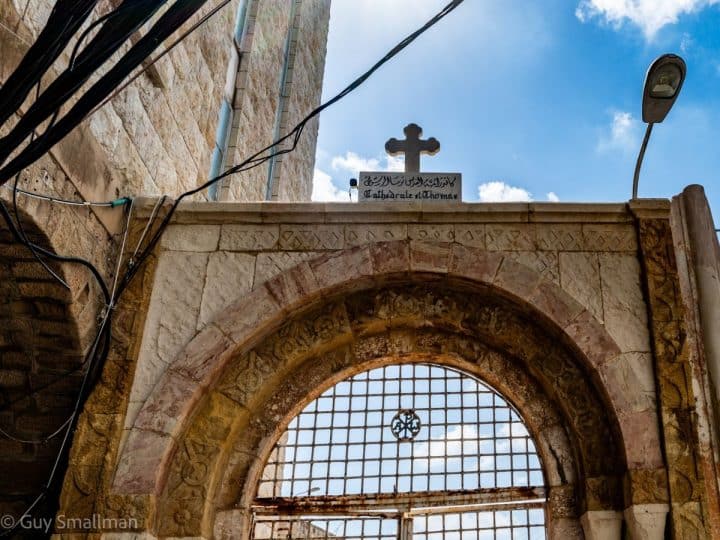
Lebanon — The ancient Christian quarter of the southern city of Tyre — known locally as Sour — is a vibrant tourist attraction in more normal times. It has a historic lighthouse and winding narrow streets that lead to its coffee shops, restaurants and markets. It is also a stopping point for pilgrims — due to its significance in the Bible and two ancient cathedrals. Unlike the rest of the city, which has been partially obliterated by Israeli bombs, the Christian quarter remains untouched.
Locals here have recently put the values of their faith into literal practice, by sheltering thousands of their Muslim neighbours during the recent carnage — defying, in the process, evacuation orders by the IOF to leave.
In the background there have been increased tensions between Lebanese Christians — who represent the largest concentration of their faith in West Asia — and Israeli forces — who no longer seem to be confining their aggression to Shia Muslims here, and Sunni Muslims in Palestine.
Prior to the latest war, which began in late 2023, the Christian villages of South Lebanon had been actively avoided by Israeli forces. They had traditionally been safe havens for the women and children of neighbouring Shia areas — which had become battlefields. But the impunity gifted to the Israelis by the West, over the Gaza genocide, has changed the rules.
On 14 October 2024, an airstrike on the northern Christian village of Aitou killed Shia refugees as well as many Christians. 14 women and children were among the 21 dead. Prior to this, 73 people were slaughtered in a mixed Christian and Sunni neighbourhood in Ain el-Deib, outside of Sidon.
Lebanon — Villages under siege
The destruction has not just been confined to the targeting of those fleeing Hezbollah influenced areas. The Christian border village of Alma Al-Shaab has been terrorised — and all but destroyed due to its location. Other Christian enclaves which sit behind the Israelis’ ‘yellow line’ of control in the south — like Rmeish, Debel and Ain Ebell — remain surrounded by occupying forces, with the local people unable to tend to their land and dependent on aid deliveries from the UN.
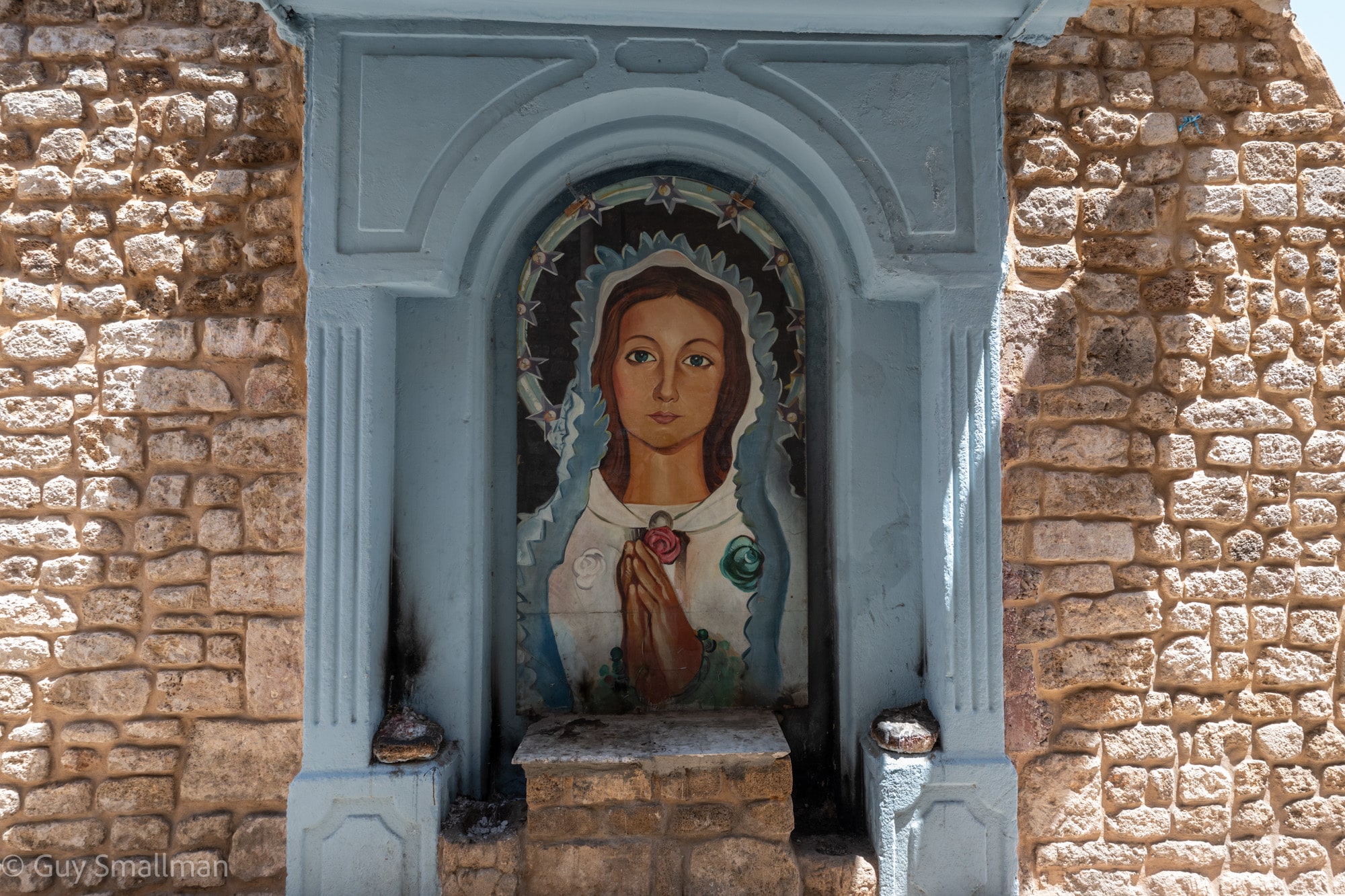
Even those who militantly support western and Israeli interests have not been spared during the recent rampage.
The far-right Lebanese Forces party — swimming in Saudi cash — have long been seen as an internal proxy of the USA-led axis. So they were more than a little surprised when on Easter Sunday of this year, their local official Pierre Mouawad was killed along with his wife in an Israeli missile attack on their apartment block. The area that was struck east of Beirut is nowhere near any of Hezbollah’s strongholds. Also, during Easter this year and last, pilgrims were prevented from reaching their holy sites in Jerusalem for the first time in hundreds of years.
In April, there was international condemnation when a video emerged of an IOF soldier smashing a Jesus statue with a sledgehammer in an occupied village, in south Lebanon. It is worth noting that this one act of vandalism attracted more media coverage in the West than the nine hundred Mosques that have been partially or completely destroyed in Lebanon and Gaza. The same month, an aid convoy organised by the Vatican had to abandon its mission to encircled villages after it was fired upon by occupation forces.
Tyre feels the heat
Back to Tyre — so on June 9th of this year, when the Israelis demanded that the historic Christian neighbourhood of Tyre had to fully evacuate in order to strike ‘Hezbollah infrastructure,’ the announcement was greeted with a mixture of disbelief and outrage. The neighbourhood is a small close-knit community, tightly packed into the peninsula, that has existed here for two thousand years. It consists of Maronites, Greek Orthodox and Catholics.
At the time of the order, the area was hosting thousands of refugees from the rest of the city in houses, tents, public buildings and vehicles along the beach.
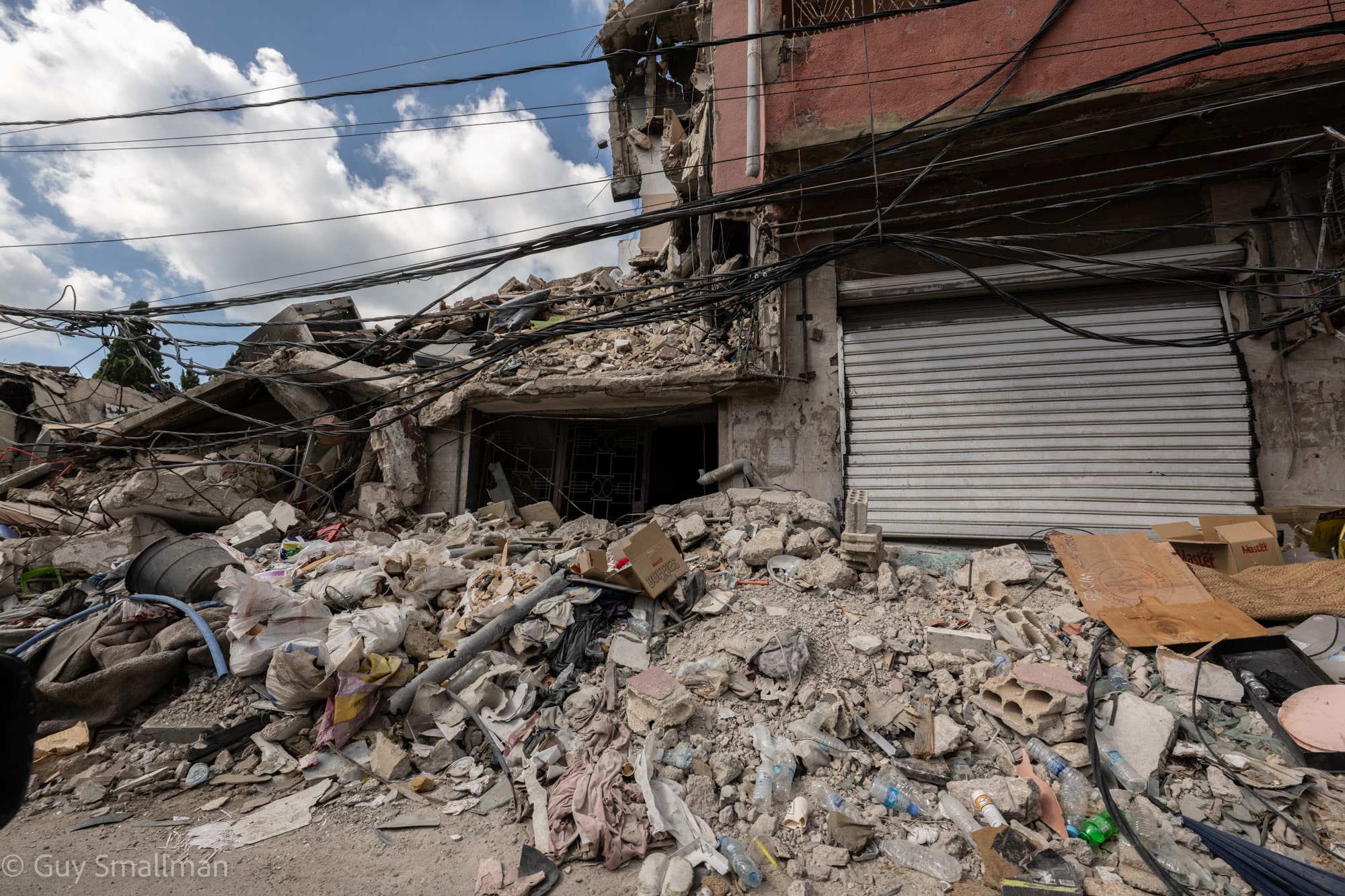
I visited the area with my fixer. After the ceasefire, most of the refugees had left. In the shadow of the Catholic Cathedral, a sweet elderly gentleman invited us — without hesitation — into his house to hear his take on recent events. He asked not to be named:
We were all here for the war, these twenty houses had at least twenty people in each and tents, so many tents along the beach. They were displaced from villages. Arab people who came here by God’s will. There is no difference between the Christian and the Muhammadan. They were given water and shelter in people’s houses. Some people rented spaces and there were food distribution places for them.
He described when the evacuation order from the Israelis for the entire city pinged onto the mobile phones of local people:
The whole map went red, all the people were told to leave even though they had nowhere to go. They [Hezbollah] were not here. Our leaders had plenty to say about this.
The evacuation order had triggered a wave of international condemnation — with church leaders pointing out that there were no military positions in the area and that it was packed with thousands of vulnerable civilians. The Israelis appear to have backed down and the neighbourhood — and its UNESCO sites — remain untouched by their bombs and missiles.
Inter-faith cooperation in Lebanon
Tomas — another local man — showed us the dividing line between the neighbourhood and the Shia Muslim area next door. He said that both communities came together during the aggression, to ensure that everyone had shelter and water in the searing heat — which had seen air conditioning knocked out due to power cuts.
He also said that the people had meticulously monitored both the Lebanese and Israeli media. The latter, failing to hide their increasing frustration that attempts to divide the communities along the line of faith were failing. In truth, both areas are poor with people on very modest incomes who have been hit particularly hard by the wipeout of the local tourism industry. He concluded that none of these people were armed, but in a different way, very much part of the resistance.
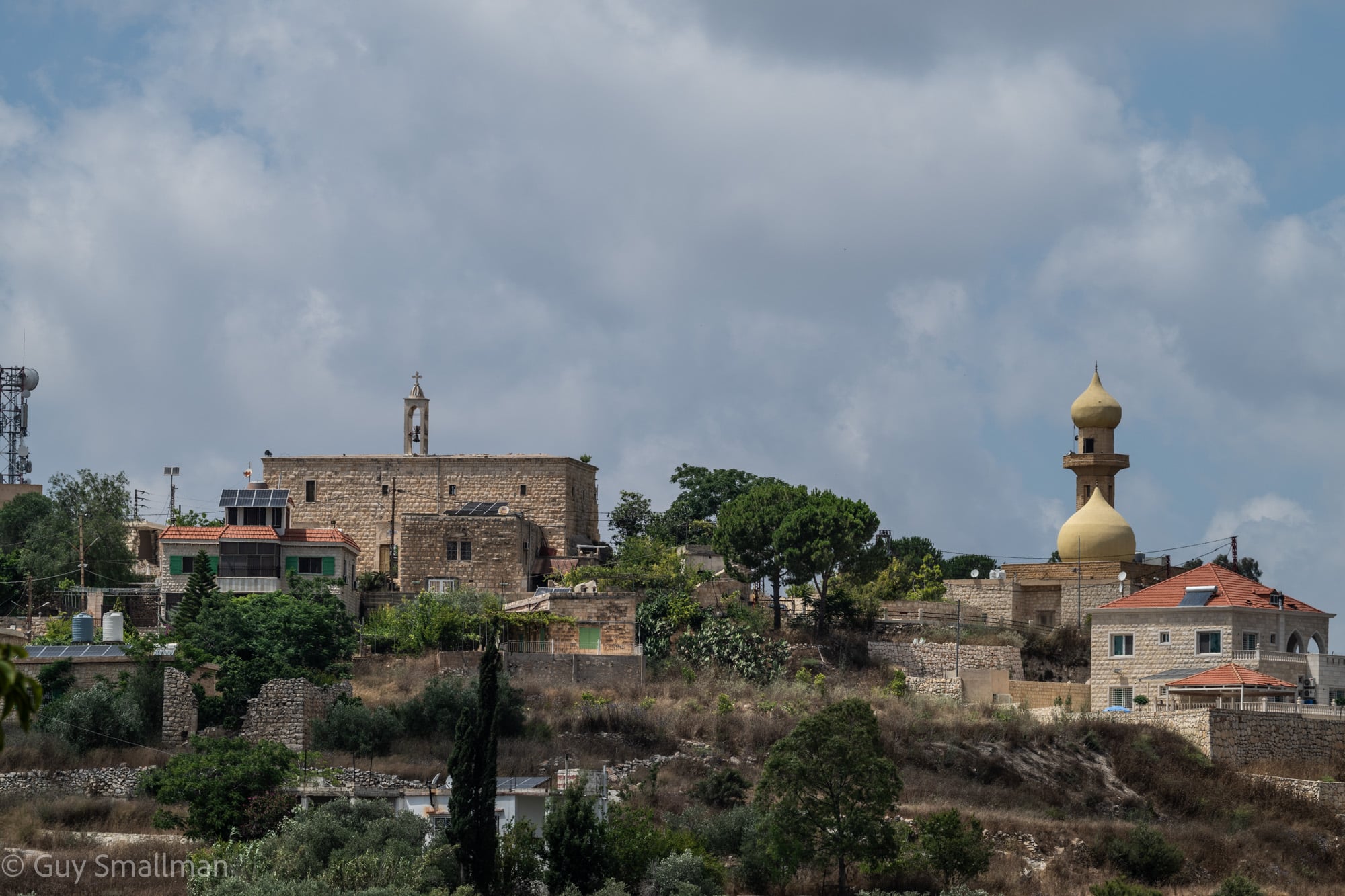
Solidarity with the displaced has also been seen at the other end of the of social spectrum as well. At a luxury resort — near Beirut — I met entrepreneurs Gabriele and Marie-Claire. The facility has its own beach, a restaurant, football pitch and an assortment of other facilities. Its proud owners are also pleased to be helping the destitute in their time of greatest need.
Since 2024 the air-conditioned chalets have hosted women and children from the south with nowhere else to go. Gabriele explained:
Some of them have been here since the war started. They stay in the accommodation and use the kitchen. I don’t ask them how long they will be here for. That would be like pouring acid on their wounds. Recently a group of them left and I was very happy and excited for them. I thank God and the Virgin Mary that they were able to return to their homes. This is built into our DNA, we are all from this land.
I asked him if he had experienced any hostility from locals scared that the war would follow his guests to his doorstep. He replied:
I really don’t care what they think. These fears come from propaganda spread by the Zionists. My sister sarcastically asked me when I was going to become a Shia Muslim? So, to reply I just asked her, when was she going to become Lebanese?
Indifference from former allies
While the Western media endlessly talks up the prospect of civil conflict in Lebanon, there is little evidence that political tension is causing division along religious lines.
Lebanon’s Christians are also keeping a close eye on what is happening — to their much smaller community — in occupied Palestine. Many are still reeling from the viral footage of a nun being attacked by a crazed settler in Jerusalem. The local archbishop has also stated how he is being constantly spat at by extremists and how this behaviour is being condoned by senior members of the Israeli government.
Most troubling of all for the isolated devotees in south Lebanese villages are recent events around the occupied West Bank village of Taybeh. It is one of the oldest enclaves in the region and is now surrounded by illegal settler outposts. Last year strong statements were made by church leaders after repeated attacks. In June of this year, crops were torched and firefighters prevented from tackling the blaze.
It is against this backdrop — and a deafening silence from Western leaders — that many church-going Lebanese people are now rethinking their previous alliances with Israel and its American sponsors. They are now standing more and more with their Muslim brothers and sisters. The atrocities committed by the IOF in hopes of starting a civil war have now backfired, making the community bonds even stronger than they were before the war.
Featured image via Guy Smallman
By Guy Smallman